Physical Address
304 North Cardinal St.
Dorchester Center, MA 02124
Physical Address
304 North Cardinal St.
Dorchester Center, MA 02124
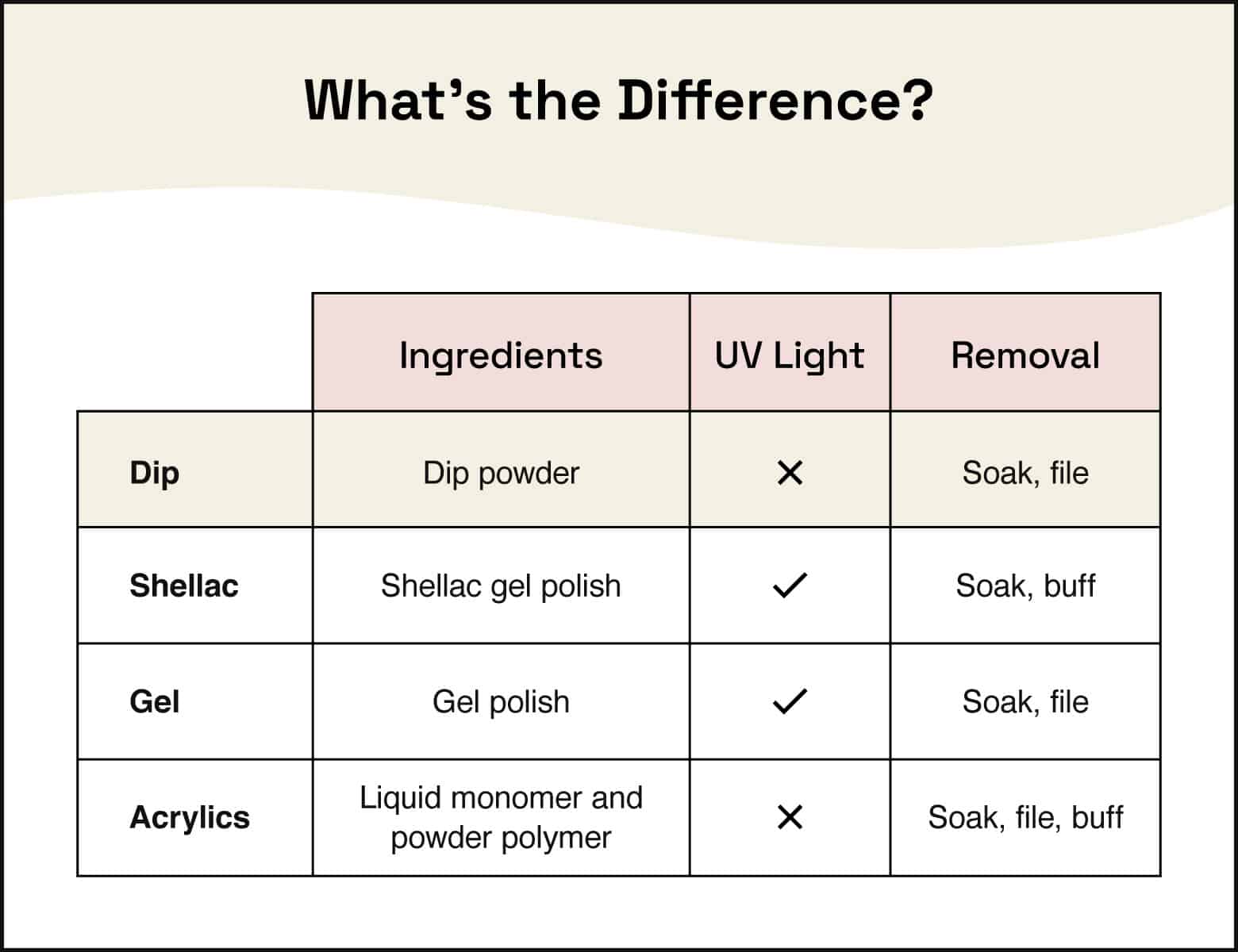
Dip powder nails have surged in popularity thanks to their durability and glossy finish, but how do they really stack up against gel, bio gel, or BIAB? Whether you’re curious about the pros and cons, considering extensions, or looking for a step-by-step guide, there’s a lot to unpack before making your next nail appointment. Many clients in McKinney are turning to long-lasting options like dip powder, especially at the top-rated nail salon McKinney trusts for quality and care. While the results can be stunning, it’s also important to understand potential side effects and proper application techniques. Let’s break down everything you need to know about dip powder nails.
Dip powder nails generally last longer than gel, often reaching up to five weeks with proper care, while gel manicures typically last two to three weeks. The extra durability of dip comes from its acrylic-based formula and strong adhesion to the nail. Many choose dip for its extended wear and resistance to chipping.
While dip powder offers longevity, gel manicures feel lighter and more flexible on the nails. This can make gel a more comfortable option, especially for everyday wear. The flexibility of gel reduces the risk of cracking, which some clients prefer over the stiffer texture of dip.
Dip powder is stronger and can be used to extend nail length, making it ideal for those wanting added strength or a more dramatic shape. However, the application involves adhesive and thicker layers, which may increase the chance of damage during removal if not done carefully. Gel is generally easier on the natural nail when maintained and removed properly.
Both options require proper preparation and aftercare to maintain nail health. Gel tends to be more forgiving during removal and may cause less thinning over time. The best choice depends on individual needs—dip for durability and length, gel for a natural feel and ease of maintenance.
DIP POWDER NAILS VS GEL
Dip powder nails generally last longer than bio gel, often surviving three to four weeks without chipping. The acrylic-like layers in dip systems create a durable coating that resists wear better than gel. However, bio gel still offers strong performance with a more flexible, natural feel. The difference in strength is noticeable but not drastic.
When it comes to nail health, bio gel tends to be gentler on natural nails during removal. Soaking off gel causes less damage compared to the scraping required for dip powder. Dip systems use cyanoacrylate adhesives that bond strongly, increasing the risk of thinning or peeling the nail plate. Gel is less aggressive, making it a safer long-term choice.
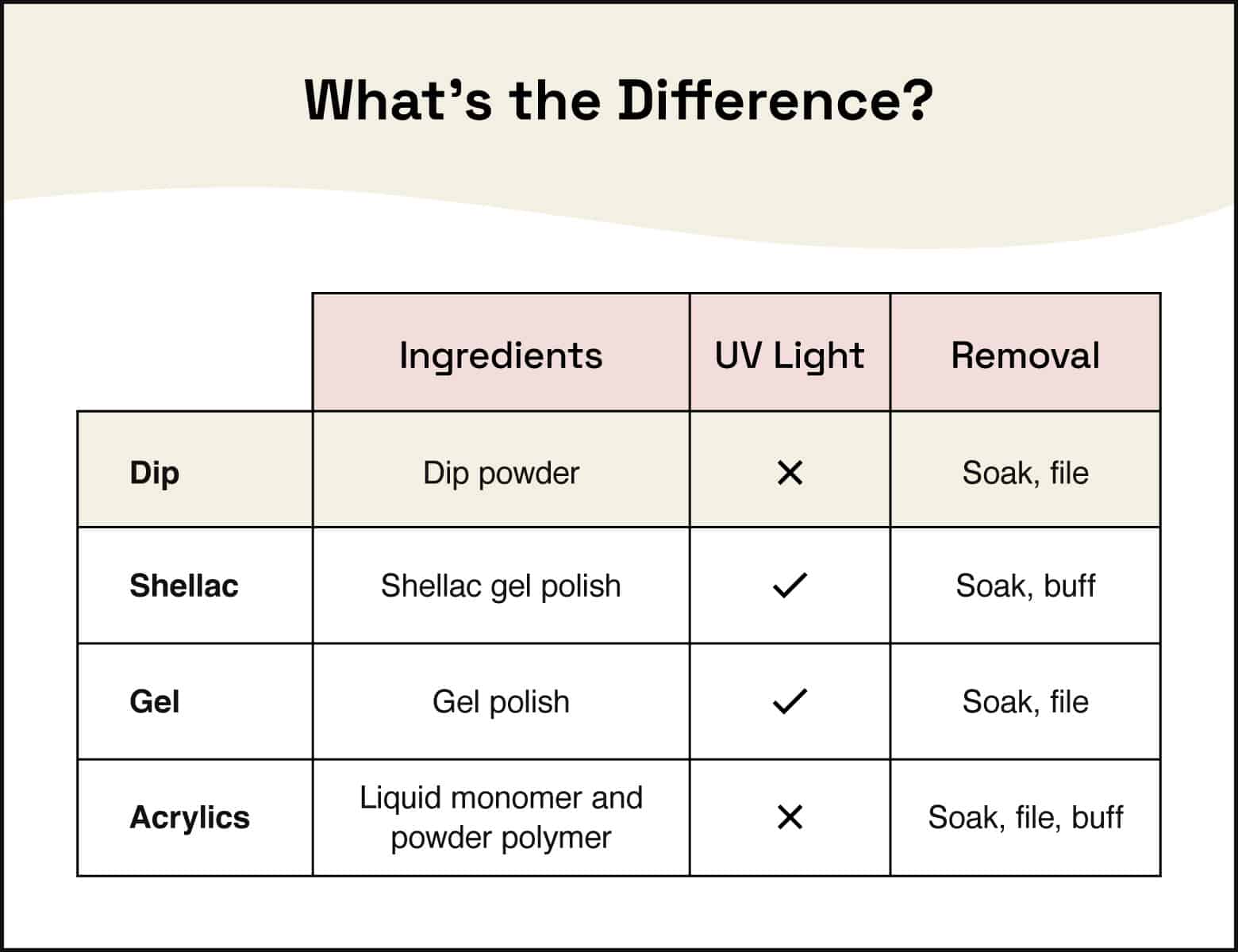
The need for UV lamps with bio gel raises concerns about skin exposure. Though modern LED lamps reduce curing time and radiation, some users still avoid them. Dip powder doesn’t require light curing, eliminating this worry entirely. This makes dip appealing for those prioritizing minimal technology use and perceived safety.
Aesthetic preference also plays a role. Dip powder offers more vibrant colors and intricate designs due to its powder-based pigments. Bio gel gives a more natural, glossy finish that’s ideal for subtle elegance. Application time is similar, but dip may require more precision with layering. Ultimately, lifestyle, desired look, and nail sensitivity guide the better choice.
DIP CREATES STRONGER THICKER NAILS THAN GEL
Dip powder nails and BIAB (Built-In Acrylic Builder) differ significantly in texture and application. Dip powder creates a thicker, denser layer on the nail, which can add strength but may feel heavy. BIAB, on the other hand, uses a gel-like formula that bonds naturally with the nail, offering a lighter, more flexible finish.
Many users find dip powder dries out their nails due to the acetone-heavy removal process and the lack of moisture during application. BIAB is generally gentler, as it adheres to the natural nail without excessive filing and maintains flexibility, reducing the risk of lifting and breakage over time.
In terms of durability, dip powder is known for lasting weeks without chipping, making it ideal for those wanting long-term wear. BIAB also offers strong wear but prioritizes nail health, allowing the natural nail to grow healthier underneath. The choice often comes down to whether strength or nail wellness is the priority.
Aesthetic results also vary between the two. Dip powder delivers an opaque, solid color with a slightly powdery finish, while BIAB offers a more natural, glossy look that enhances the nail’s shape. For those preferring a “your nails but better” effect, BIAB is often the preferred choice.

GEL FEELS LIGHTER AND MORE FLEXIBLE
Dip powder nails offer a durable and long lasting manicure that resists chipping and peeling. They cure without UV light, reducing exposure to harmful rays. The finish is often thinner and more natural looking than acrylics, appealing to those who prefer subtle, elegant nails. Many users appreciate their quick application and minimal odor compared to traditional acrylics.
One of the major advantages is their longevity and strength. With proper care, dip nails can last three to four weeks without lifting or fading. They are also less likely to cause damage when applied correctly, since they don’t require heavy filing. Users can repair breaks at home with a dip refill kit, adding convenience and saving salon costs.
Despite the benefits, dip powder isn’t ideal for everyone. It can cause dryness or irritation to cuticles and surrounding skin due to the alcohol and primer used. The pigments may also stain nails if not properly sealed or removed. Plus, improper removal can weaken natural nails over time, especially with frequent use.
Another drawback is the potential for allergic reactions, particularly to cyanoacrylate or resins in the powder or activator. While the process is odorless compared to acrylics, it’s not entirely risk free. Also, while dip is more affordable than gel in some cases, professional applications still represent a recurring expense that may not fit every budget.
:max_bytes(150000):strip_icc()/powderdipnails1-bf5fd8f48f294ceeba443e8045e92a22.png)
DIP POWDER NAILS VS BIO GEL
Dip powder nails can lead to weakened nail beds over time. The application process often involves aggressive filing and buffing, which thins the natural nail. Although the powder itself isn’t harmful, the damage usually comes from improper prep and removal practices that compromise nail integrity and increase vulnerability to breakage and peeling.
The removal process is a major contributor to nail damage. Soaking nails in acetone for extended periods strips natural oils, causing dryness and brittleness. Repeated exposure can lead to cracking, splitting, and thinning of the nail plate. Over time, this increases the risk of infection and may delay healthy nail regrowth.
Hygiene concerns also arise with dip powder services. The communal dip jars can harbor bacteria and fungi if not handled properly, risking cross-contamination. Salons may not always follow strict sanitation protocols, which raises the chance of nail infections. At-home users may also face risks if tools aren’t thoroughly cleaned between uses.
Allergic reactions are another potential side effect. Some individuals may react to cyanoacrylate or other chemicals in the powder or activator. Symptoms include redness, swelling, itching, and in severe cases, blistering around the nail. Those with sensitive skin or existing allergies should do a patch test before full application to avoid adverse responses.

DIP OFFERS DURABILITY WHILE BIO GEL CONCERNS OVER UV EXPOSURE
Dip powder nail extensions are a great way to achieve long, durable nails without using traditional tips. The process involves applying a liquid bond to your natural nails, then dipping them into colored powder. This creates a strong, chip-resistant surface that can be shaped into your desired length and form.
To extend the nails, nail forms are placed underneath the natural nail. After applying activator and bond, the nail technician builds the extension by layering dip powder onto the nail form. Once the desired shape and length are achieved, the form is removed and the nail is filed and polished for a seamless look.
This method offers a lightweight and natural appearance compared to pre-made tips. Since there’s no need for sizing or gluing, dip powder extensions fit perfectly to each individual nail. They also tend to last longer and are less likely to lift when applied correctly.
Many people prefer dip powder extensions for their versatility and ease of application. They can be done at home or in a salon and offer a wide range of colors and finishes. With proper aftercare, these extensions stay vibrant and strong for weeks, making them a popular choice for those wanting beautiful, long-lasting nails.
BOTH PROVIDE LONG LASTING WEAR WITH DIFFERENT APPLICATION METHODS
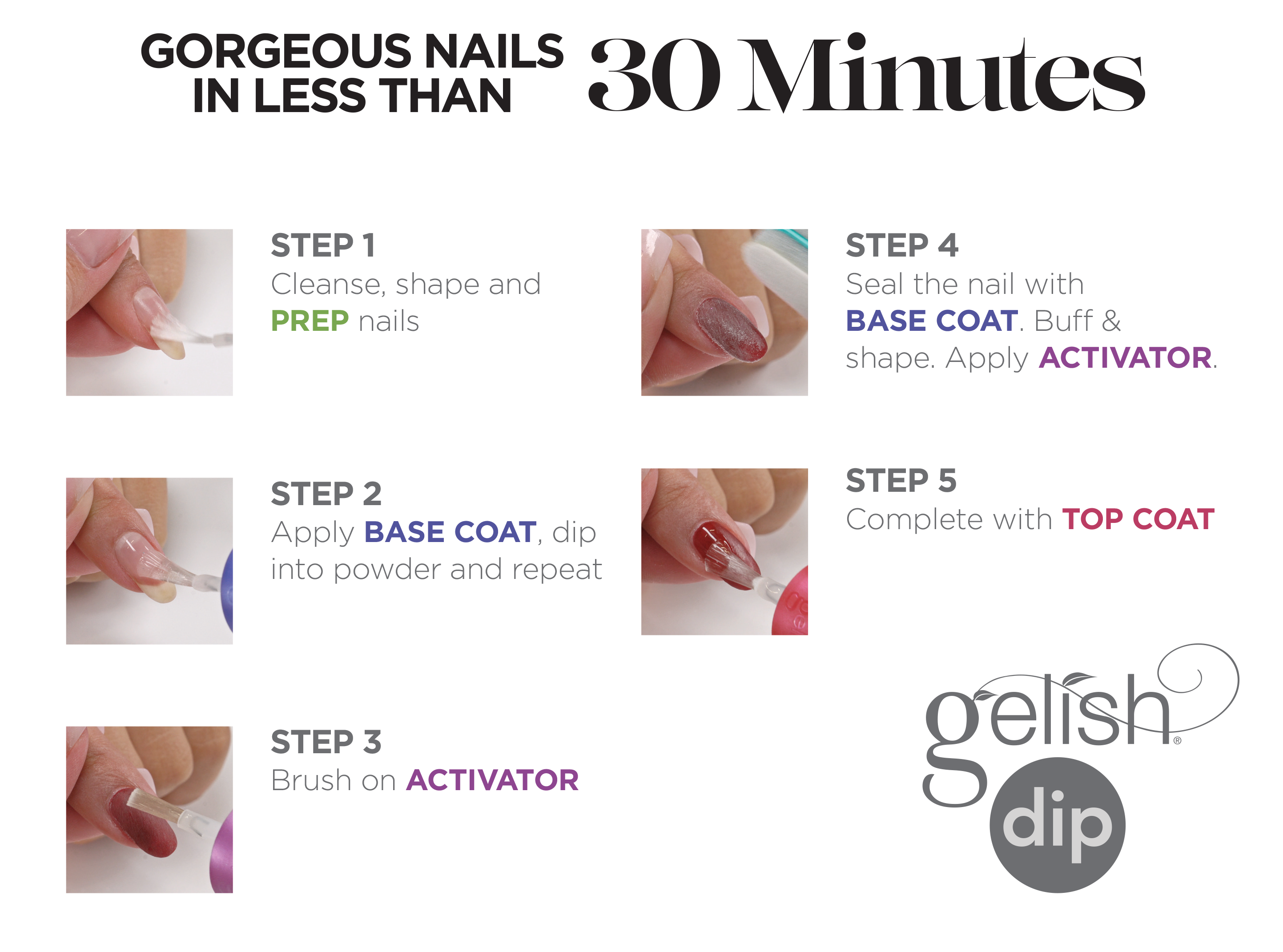
Start by preparing your nails: clean them thoroughly, push back cuticles, and lightly buff the surface to help the product adhere. Apply a dehydrator and primer to remove oils and enhance bonding. Work on one nail at a time to prevent the base from drying before dipping.
Dip your nail at a 45-degree angle into the powder, ensuring even coverage over the base product. Gently tap off excess powder using the side of the container. Once dipped, repeat the process with a second layer of base and powder for richer color and durability. Always cap the free edge to seal and strengthen the nail tip.
After completing all nails, use a dry brush to remove residual dust. Apply an activator liquid to cure the layers and prevent chipping. Finish with a nourishing dip powder top coat to seal the look and add shine. Allow nails to dry completely before handling anything.
For long-lasting wear, avoid soaking hands in water for 24 hours after application. Moisture can weaken adhesion during the initial curing period. Reapply top coat every few days to protect against wear. Schedule fills every two to three weeks to maintain flawless results without damaging natural nails.
DIP POWDER NAILS VS BIAB
Dip powder nails offer long-lasting, chip-resistant color with less UV exposure than gel or bio gel, making them a strong alternative to traditional manicures. Compared to BIAB or extensions, they provide strength and thickness without added damage. While pros include durability and quick application, cons involve potential over-filing and improper removal risks. Side effects like dryness or allergies can occur if not cared for properly. For best results, follow a step-by-step guide and choose quality products. Try dip powder manicures to enhance your nail game safely and stylishly.